Metropolitan Mindsets
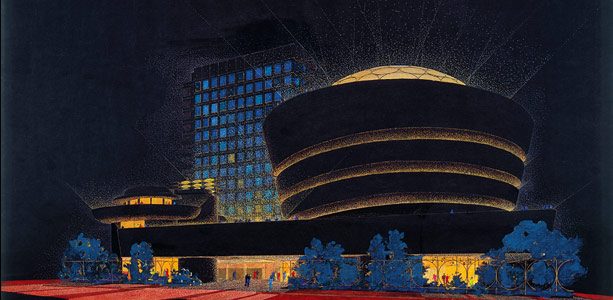
I make my way through the Metropolis as though it were my own endless possibility. Boundaries nowhere but in the choices I myself can summon, always legible to me only as abstractions. That which is Metropolitan is constructed; constructed by and for the human imagination.
I move through my Metropolis with a fevered excitement: acquiring memories, rubbing up against limits from whose friction I generate Self from. By way of accumulation, my « I » takes on a cathedral-like quality. It comes multifarious, self-multiplying until which time my « I » becomes my meaning.
This delusion of authorship intoxicates me. And I forget, in my excitement, that the Metropolis is a managed landscape. That something in it moves, moves me even, without my knowing. What I took for fever has not yet revealed itself as infection.
In the Metropolis, my ideas are never my own. I am always in-conversation, my eye always on other Metropoli. I enter structures already speaking, picking up ideas as if at play. I believe this world to be of my own construction, and yet my thoughts come only mimetically — revisions, built on footnotes and fated to become them.
Metropolitan life extinguishes the singularity of sex. The search for pleasure flattens, spreading into the broader experience of my world. To live here is to be aroused perpetually: pleasure the end, sex the means, no longer originary, one amongst countless other Metropolitan experiences. All of life here is orgasmic, or strains to be:
Lying in bed on a summer morning, with the window open, listening to the church bells, eating buttered toast. The smell of the previous night’s lovemaking still on one’s fingers.
These pleasures overcome me, pleasures without tradition. I loosen into their abundance: the hum of a room, the numbed tongue of a third drink, causeless desire and mirrored feeling, body as occasion, sensation without source — first this self, then another.
What was always there - the sense of being moved rather than moving - comes to matter. I begin to see the shape of an exchange: my longing to receive surrendered for a freedom. Through my acceptance, I absolve the Metropolis; absolve it of any obligation to mean anything. Anything beyond myself. Lost in my world, I am lost in my self. But this self is a phantom port; I cannot anchor there.
And so I look up at the Metropolis, at its boxes: monuments to open-endedness. Refusing to impose, refusing to give, refusing even to ask. I stand in their shadow; longing, longing to receive rather than invent.
The vertigo of choice has exhausted me. And I begin to look for what lies beyond the pleasures I have extracted here. Beyond myself even. Not the relief of anonymity, but the security of obligation. To be needed, to be of use. To find oneself addressed by something beyond the self and to answer. There is something in recurrence — in things and people returning, who keep returning.
What fails to be Metropolitan we deem provincial. To be provincial is to be burdened. To be provincial is to smell of the earth.